

Anabel Fielding
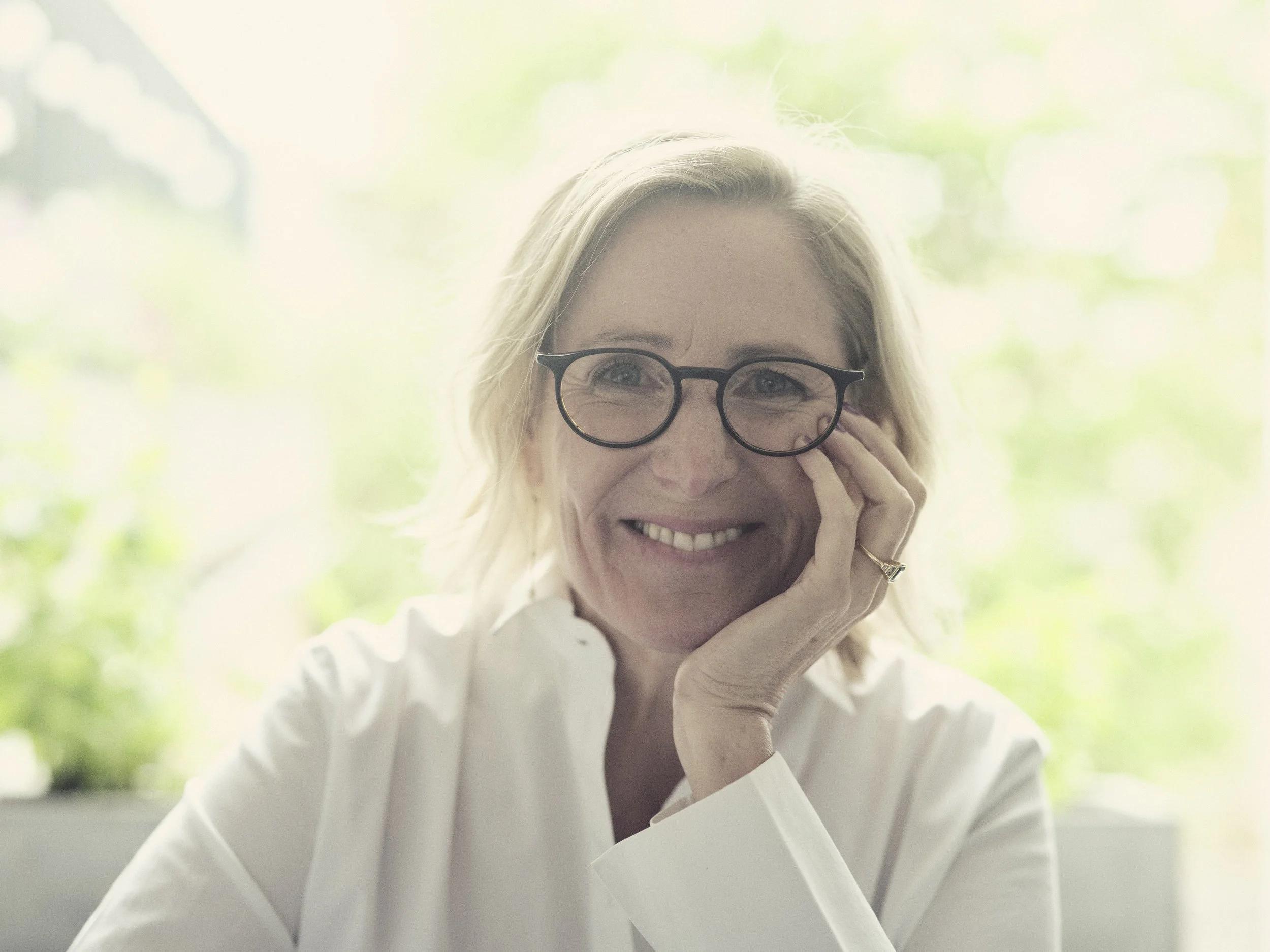
Anabel Fielding is founder and CEO of Alite, a global platform and community to support the world’s leading assistants as they explore what matters to them, personally and professionally.
Anabel Fielding is a leader who believes deeply in partnership. As the founder and CEO of Alite, a global platform supporting assistants through community, development and resources, she is quietly reshaping how leadership is understood – and who gets to be seen within it.
Where leadership is often associated with visibility and status, Anabel champions those who operate with influence, often behind the scenes. She understands the pressures faced by assistants: highly skilled professionals working in fast-paced, high-pressure environments, managing complexity, discretion and daily unpredictability, yet often overlooked and under-supported.
Anabel knows this world first-hand. Born in Kent, she began her career as a personal assistant in the music industry before going on to co-found and lead Quintessentially Events, part of the global luxury lifestyle group. It was through this experience that she became acutely aware of how central assistants are to organisational success – and how rarely they are recognised as strategic partners. “They don’t need permission to grow,” she says. “They simply need the right system and environment to support them.” That belief sits at the heart of Alite.
Beyond Alite, Anabel’s commitment to service runs deep. She has fundraised for the Women’s Equality Party, the Diacore Gabarone Marathon, the Barbican Trust, and served as a Trustee of Target Ovarian Cancer. She’s also been named one of the Top 15 most influential people in the events industry. She regularly hosts Anabel’s Dinners, an intimate, invitation-only gathering for senior executive and C-suite women.
A defining aspect of my childhood was being educated at Wellesley House, a boys school, from the age of seven to 10. I was part of a pioneering trial intake of girls at the all-boys boarding school. The values were courage, resilience, teamwork, and leading from the front – be it in business, politics, sports, or the arts. It made a big impact on me.
This experience gave me a quiet certainty that women can do anything men can, if they have access.I never questioned why women might not play rugby, join the army or go to space – it simply did not occur to me. Later, when I moved to an all-girls school, I noticed a big contrast. While kindness and compassion were prioritised as spiritual values, there was little emphasis or support for building a career or running a business. Looking back, I can see how that contrast helped shape my own leadership philosophy: one that values harmony alongside strength, and partnership over hierarchy.
I developed resilience from a young age. Tragically, my mum died when I was young, which unsurprisingly had a profound effect on me and my family. While my childhood was happy, I lost confidence during my teenage years. I chose not to go to university, a decision supported by my Dad, feeling the need instead to understand who I was and what I wanted to become. I was very inspired by his drive and ambition to succeed as a self-made businessman.
Years later, I discovered a happy connection: my mother had been a secretary – Secretary of the Year in 1959 – working for the actor Peter Sellers. Unknowingly, I followed a similar path, first working as a personal assistant for the powerhouse Jill Sinclair, founder of ZTT Records with her husband Trevor Horn. This early role gave me proximity to influence and power, and a clear view of who was – and was not – invited to share it.
I believe in supporting women to find positions of leadership. At Quintessentially, I became known for my determination. One of my proudest achievements there was making the space for women to lead, and to become CEOs and Managing Directors. I have often been the only female voice in a room – and I use it. My approach is not about dominance, but about responsibility: making sure that women are not only invited into leadership, but supported to stay there and succeed.
In building Alite, I want to demonstrate to others leadership through partnership. My career has been rooted in close partnership with senior leaders, and I appreciate the influence, discretion and emotional intelligence required of exceptional assistants. I created Alite to offer something that had been missing: a trusted space for reflection, connection and growth, where assistants can develop their professional capability, and find their sense of purpose, confidence and voice.
I am guided by my values of partnership, harmony and freedom. My style of leadership focuses on creating environments where people feel supported to think clearly, grow sustainably and lead with integrity. Alite reflects this philosophy – we bring together community, learning and resources in a way that honours both the human and professional experience of leadership. It’s the most personal expression of my leadership values to date.
Our mission is to inspire and encourage assistants wherever they are on their career path. We offer curated content and resources, micro-learning, mentoring, and events. That could mean stepping into positions such as Chief of Staff, becoming a mentor, or a trusted strategic partner. Too often I hear, “I fell into this role”. Imagine being trained to become an elite assistant – whatever stage of life you’re at. It’s a fantastic career, with extraordinary opportunities.
As a business owner, I have always understood the power of connection, not as a transaction but as a human exchange. But I am concerned about how the concept of connection is evolving. That’s why community is central to Alite’s vision. I see many people struggle with basic social interactions – reading cues, having conversations, picking up the phone. So, we deliberately create spaces where people are introduced properly and encouraged to be themselves. This ethos underpins Parlour, our events programme, designed as fun, relaxed gatherings for meaningful connection.
My passion is investing in people. For me, supporting assistants is not a ‘nice-to-have’ but a strategic business imperative. It’s one side of a crucial relationship – when you support an assistant to lead, they elevate their leader, their organisation and, ultimately, society. Why wouldn’t you invest in that?
Our long-term vision is ambitious: AI will change how leaders work with assistants – not overnight, but it’s impossible to stop or prevent this. I approach AI with clarity rather than fear. I believe humans will still want human touch. Our solution to this is Scarlet by Alite – a privacy-first, emotionally attuned AI co-pilot for trust-driven roles. We’ve designed it to amplify assistant capabilities, deliver business-wide gains, and free-up executive bandwidth so leaders can lead. I am particularly focused on encouraging women to engage with AI, to make sure emerging technologies are shaped by their diverse perspectives and experiences.
I have worked with some amazing role models. I’m inspired by people who quietly get on with doing work, and those who choose to make a difference, no matter what their job or role in life. Two people who stand out for me are CEO Emma Kane, who invited me to join the board of Target Ovarian Cancer, and Design Entrepreneur Anya Hindmarch, who instilled in me the notion of always going the extra mile.
I love swimming and going for walks. It's mostly to find peace and clear my head to see different options and solutions. When faced with difficult decisions, I believe sleeping on things helps. If I sleep well, I usually wake up feeling better and ask ‘Does this really matter in the grand scheme of things?’
I’m an optimist. I try to enjoy the fullness of life, even on days that are humdrum. Sometimes, simply showing up is enough. And when things are truly difficult, something often arrives to keep me going or guide me in a new direction. I’m extroverted when I feel it – enjoying people, music, and dancing. And I’m introverted when I need to recharge, closing the door, lowering the lights or lighting a candle, and embracing quiet or silence.
The best advice anyone’s given me? Try to make lasting decisions in moments of calm emotion rather than strong emotion.